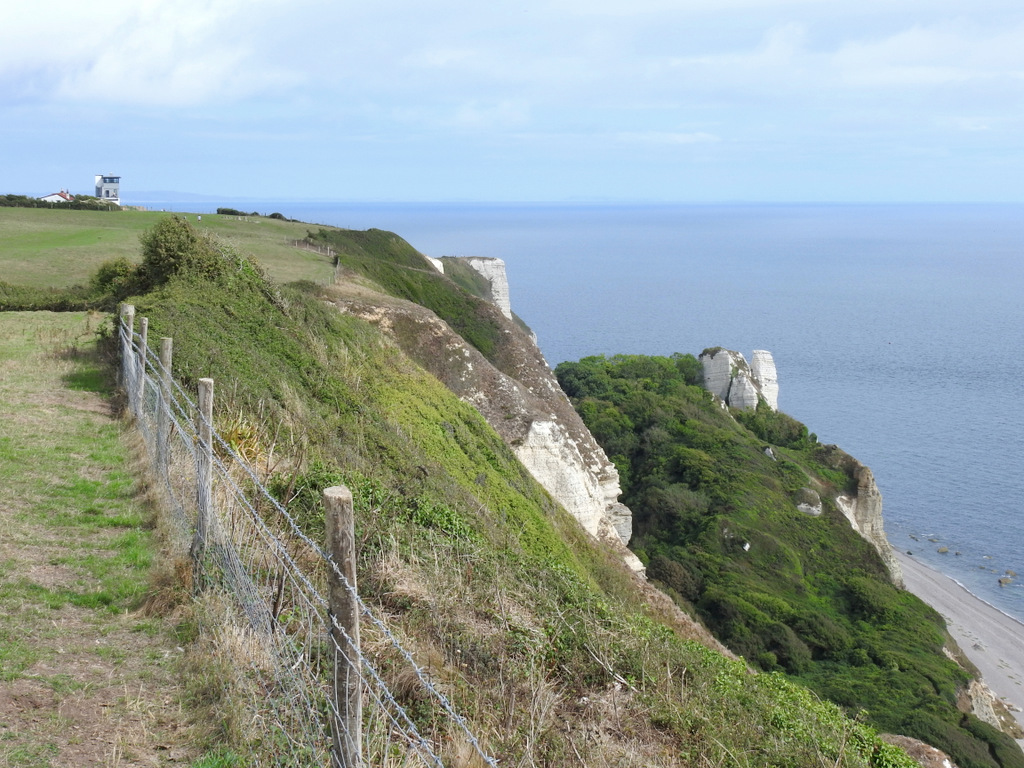
A quick circuit of Cogden this afternoon, searching for migrants. Slow going
initially, with both Vanessa cardui and
Nomophila noctuella definitely migrants, but not the ones I was
after. Eventually I stumbled across a nice
Phoenicurus phoenicurus, and soon added a single Phylloscopus trochilus and two
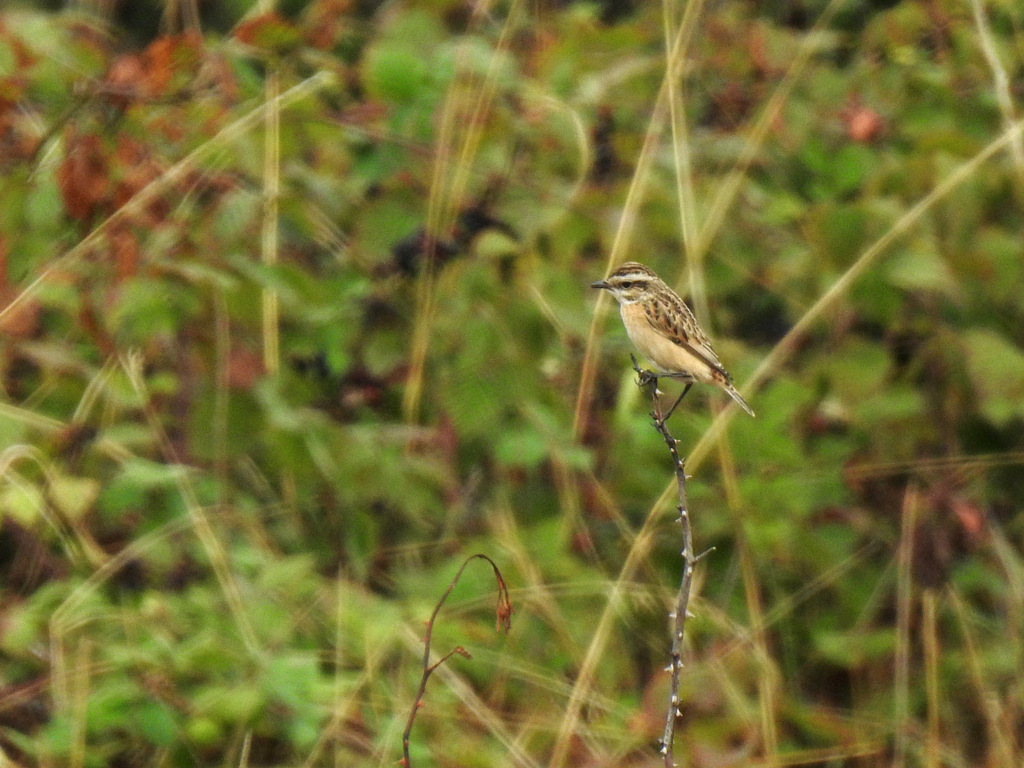
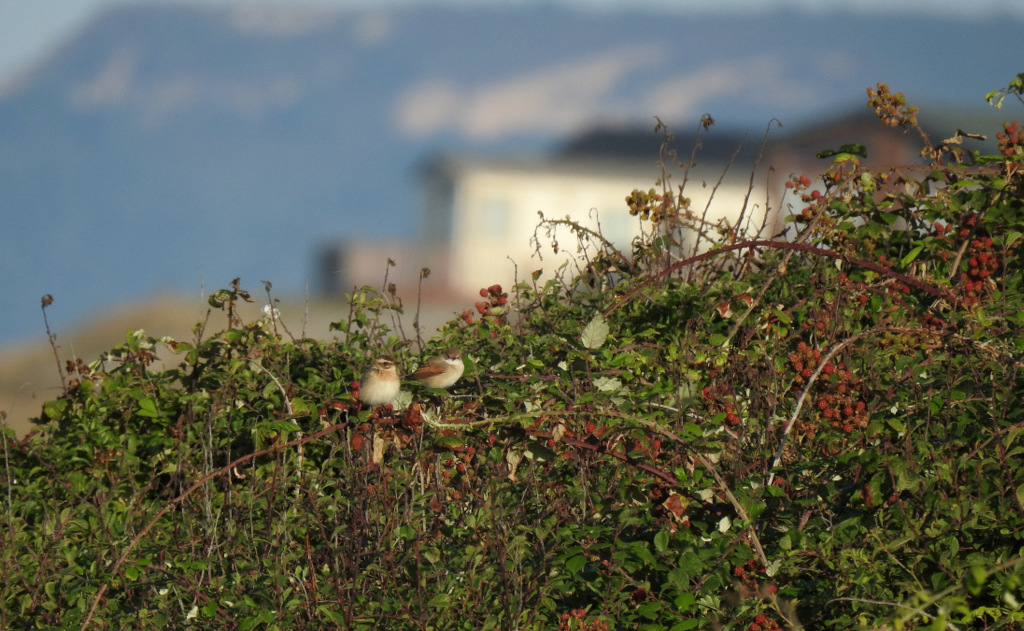
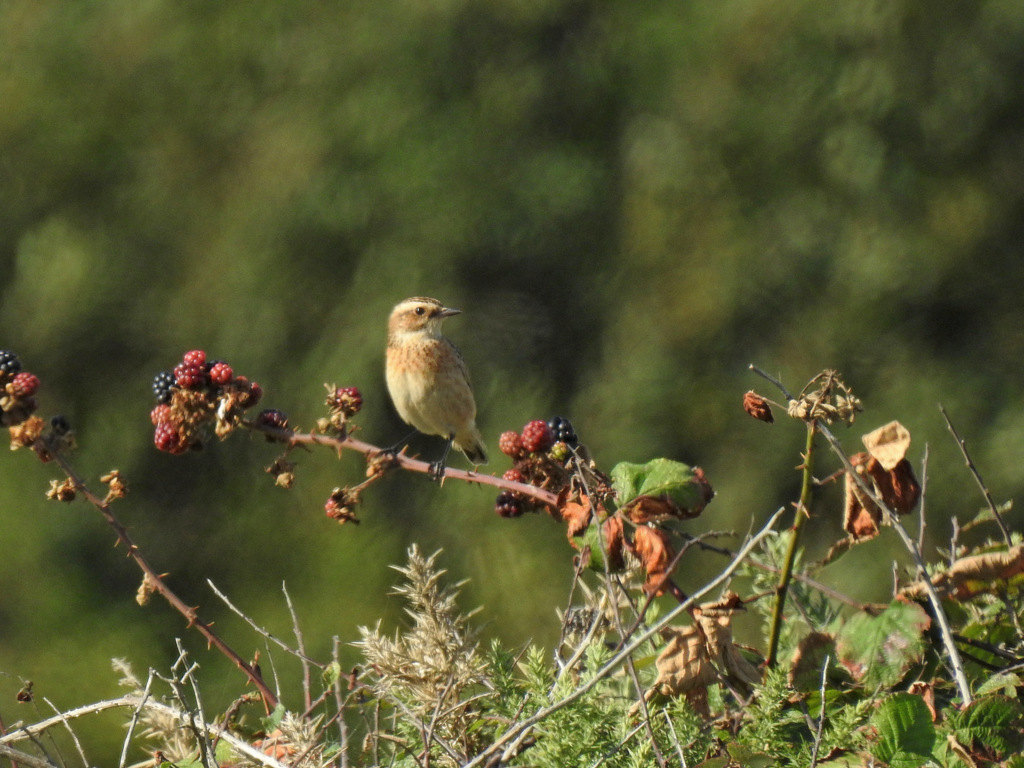
Saxicola rubetra. Nice.
I am sure that some readers are not even slightly phased by the scientific
names above, and can picture every species mentioned. Good for them. Me? I had
to look each one up to ensure accuracy, because I never normally use them. I
mean, why would I? I am not a naturalist in any professional sense, and have
happily got by with vernacular names for six decades. In the rare event that I
need a scientific name, it is just a reference book or mouse click away.
So what is all this nonsense with micro-moths?
I spent most of my walk pondering this question, which has vexed me mightily
since starting down the Dark Path two months ago. Here's the thing...
Every macro-moth has a vernacular name in the English language. For example,
Large Yellow Underwing. Generally speaking, the vernacular names are
easy to remember because they consist of familiar words and, as in this case,
many convey some obvious feature of the moth itself. The scientific name of
Large Yellow Underwing is Noctua pronuba. My limited education suggests that Noctua has to do with
night-time, but pronuba means nothing to me.
Noctua pronuba is a name I would need to learn parrot-fashion,
and would easily forget without constant repitition. Thankfully this is not a
concern, because Large Yellow Underwing is the name that everyone uses.
But, not so with micros...
This morning I thought our run of at least one new moth every time was finally
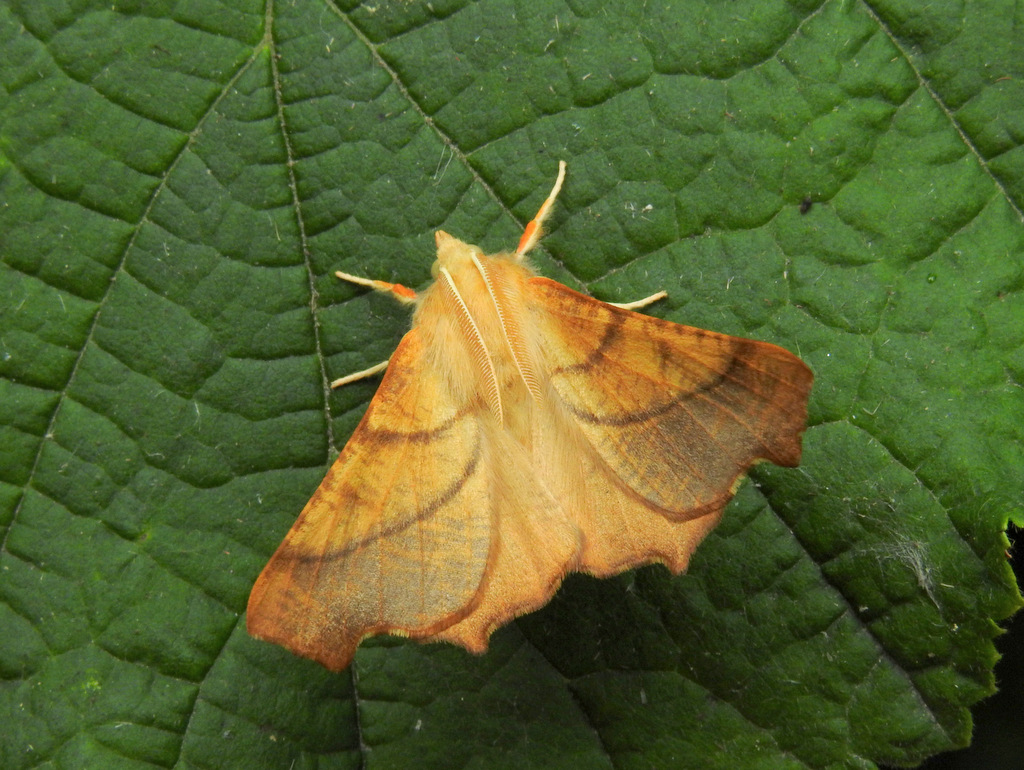
over. But no. Literally on the floor of the trap was one last moth. This
one...

|
If I have identified it correctly, this is
Agonopterix yeatiana.
|
According to Living Record, Agonopterix yeatiana has not been
recorded in the Bridport area before, so this is a nice catch.
Agonopterix yeatiana means 'small, spotted, pale grey jobbie,
with which to grip off your Bridport mothy mates' and is much easier to
remember than the vernacular name, Coastal Flat-body, which conveys no
meaning at all, and is a pig to remember.
As a beginner, the most irritating issue about trying to learn a million new
moths is the stupid insistence upon scientific names when it comes to the vast
majority of micros. What is especially annoying is the fact that they all
have a vernacular name, but mothy folk won't use them. Why not? Well...
If you visit
Dorset Moths or
Norfolk Moths, for
example (both excellent websites) you will see that every micro is listed (and
searchable) by both a scientific and vernacular name. These county moth
websites were designed by a chap named Jim Wheeler, who also compiled a
publication entitled
Micro Moth Vernacular Names - A Nomenclatural Checklist of British
Microlepidoptera. My tyro's understanding is that he came up with these names unilaterally -
an act of 'hubris' as one mothy voice whom I respect has put it - and many
long-time moth folk are decidedly unimpressed. So. There exists a full set of
vernacular names for all these tricky micros but, when it comes to their
adoption and use, there is...er...some controversy...
However, do I care?
Not one bit. I do not care how the vernacular names were arrived at. I do not
care whether or not they are appropriate in every case. I do not care that
they were essentially decided upon by one bloke rather than a committee. Do
you hear me, moth people? I do not care.
What I care about is that 1,600+ micros have a name that I can easily learn
and remember, and in most cases say out loud with confidence that I have the
pronunciation correct.
I am heartened by the fact that my favourite micro book (Common Micro-moths of Berkshire, by Nick Asher) uses the new vernacular names, and look forward to increased
acceptance by those who wish to smooth the path of newbies like me. I have
wrestled with what my own approach ought to be, and have tried hard to learn
the scientific names. Blog-wise I have swung between referencing both
scientific and vernacular, and scientific only. But why make a
challenge needlessly harder than it already is? From now on, vernacular only,
and hang the consequences.
PS. Painted Lady, Rush Veneer, Redstart,
Willow Warbler and Whinchat, in case you were wondering...

|
Phoenicurus phoenicurus, a nice 1st-winter male I think.
|

|
Saxicola rubetra
|

|
Saxicola rubetra x2, dreadful heat haze x1.
|